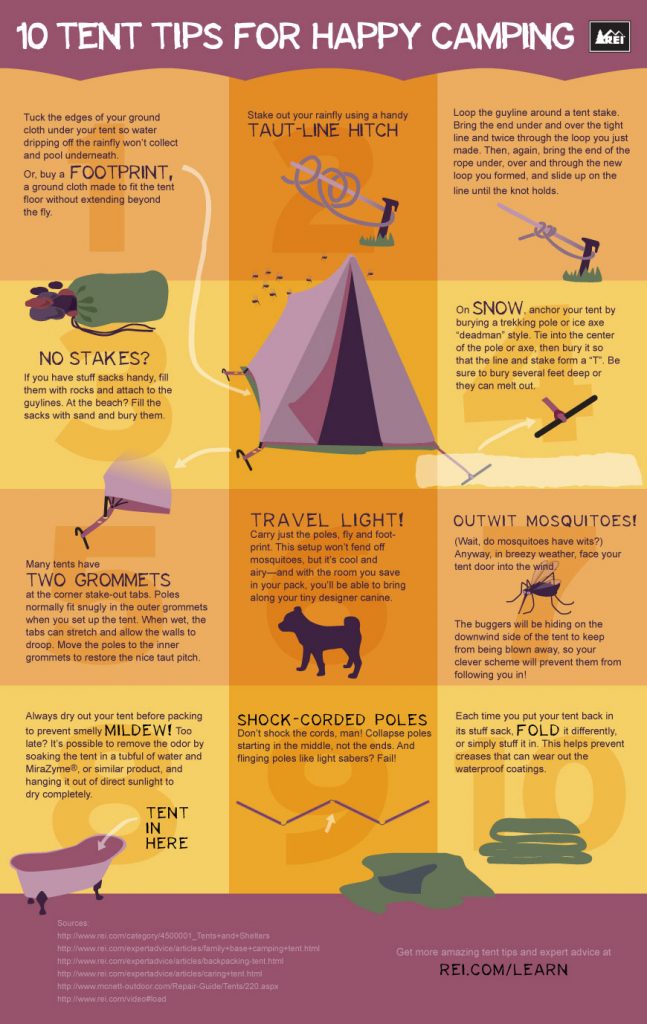
Person lines sustain tarp-like outdoors tents by responding to side pressures, preserving structure and shape. They include tensioners that adjust the cable's size and tightness without retying knots, improving camping tent configuration.
Hollow braid building and construction in some man line ropes facilitates splicing, protecting the full stamina of the material versus connecting knots. This practical style teaches campers to personalize their gear for varying conditions and requirements.
Beginnings
Tents are mobile, temporary sanctuaries that allow people to experience the outdoors without compromising their security or convenience. Developed as nomadic living frameworks, tents like the Mongolian yurt and Native American tipi developed into extremely improved designs that are still utilized by backpackers today.
In the camping globe, man lines are crucial for stabilizing outdoors tents and preventing them from flapping or falling down in high winds. They're also frequently made use of in bushcraft setups to protect tarpaulins and develop shelters in all-natural setups.
Guy line ropes can be made from a range of products, each offering unique advantages. As an example, ultralight Dyneema guy lines are chosen for their strength-to-weight proportion, permitting walkers to decrease pack weight without compromising stability. At the same time, high-visibility reflective tracers and UV-resistant coatings safeguard versus ecological damage and guarantee exposure in low-light problems.
Function
When correctly anchored, person lines keep the shape and framework of outdoors tents in adverse weather conditions. They likewise disperse stress and anxiety evenly, avoiding the camping tent from falling down or changing under stress.
Most contemporary camping tents feature a variety of loops on the rainfly and midway up the post joints for affixing individual lines. The most important function of these lines is to enhance the structural security of a camping tent in hefty winds and snow lots, maintaining the rainfly far from the body of the tent to lessen leak and making best use of strength.
Guy lines can be anchored in various ways, including the classic taut-line hitch or more sophisticated ratchet assemblies. In addition to their apparent outdoor camping applications, these ropes are often used in a number of emergency and catastrophe reaction situations.
Materials
Man lines, likewise referred to as' remains' or' shrouds,' have become crucial tools in supporting tents and tarps. Originally used in maritime contexts to sustain ship poles, they have actually considering that discovered their method into camping gear and bushcraft setups.
They are often constructed from nylon, polyester, or perhaps ultralight Dyneema. These materials are favored for their strength-to-weight proportion and resistance to ecological deterioration.
To anchor the guy lines, risks or outdoor tents fixes are used. Wooden, plastic, or metal risks might be utilized, depending upon the atmosphere and desired level of security. Thicker secures may require a club to drive them right into the ground. Lots of men have tensioners affixed that permit the individual to tweak the cord's size and rigidity without retying a knot. This is especially helpful for quickly changing the camping tent in changing weather conditions.
Layout
Conversely referred to as guy ropes, individuals, down men or stay, these tensioned cables anchor factors on a framework to the ground and counteract side forces. By dispersing stress, they enhance stability and maintain the form of outdoors tents and other shelters.
Mummery's design surpassed the Whymper camping tent by raising it up off the ground. The resulting structure appeared like the modern-day ultralight floorless sanctuaries preferred amongst minimal walkers.
Angling risks at an internal angle is one of the most long lasting technique of connecting them. This enables the man line tent maintenance to be pulled taut, responding to lateral pressure and keeping the tent upright. This prevents drooping and the camping tent's form from breaking down in rough conditions. The tilted stake likewise reduces resistance and reduces the likelihood of the rope taking out of the hole.
Installment
The most crucial function of individual lines is to stabilize outdoors tents in windy conditions. In outdoor camping, they anchor the rainfly away from the body of the outdoor tents and offer side assistance to poles to make sure that they don't flex and collapse. In marine contexts, they aid to maintain the shape of poles and are frequently made from non-conductive products to stay clear of interference with radio signals.